For people designing their own homes. The thinking behind every decision, the principles behind every step.
Notes from the practice.
the method, written down
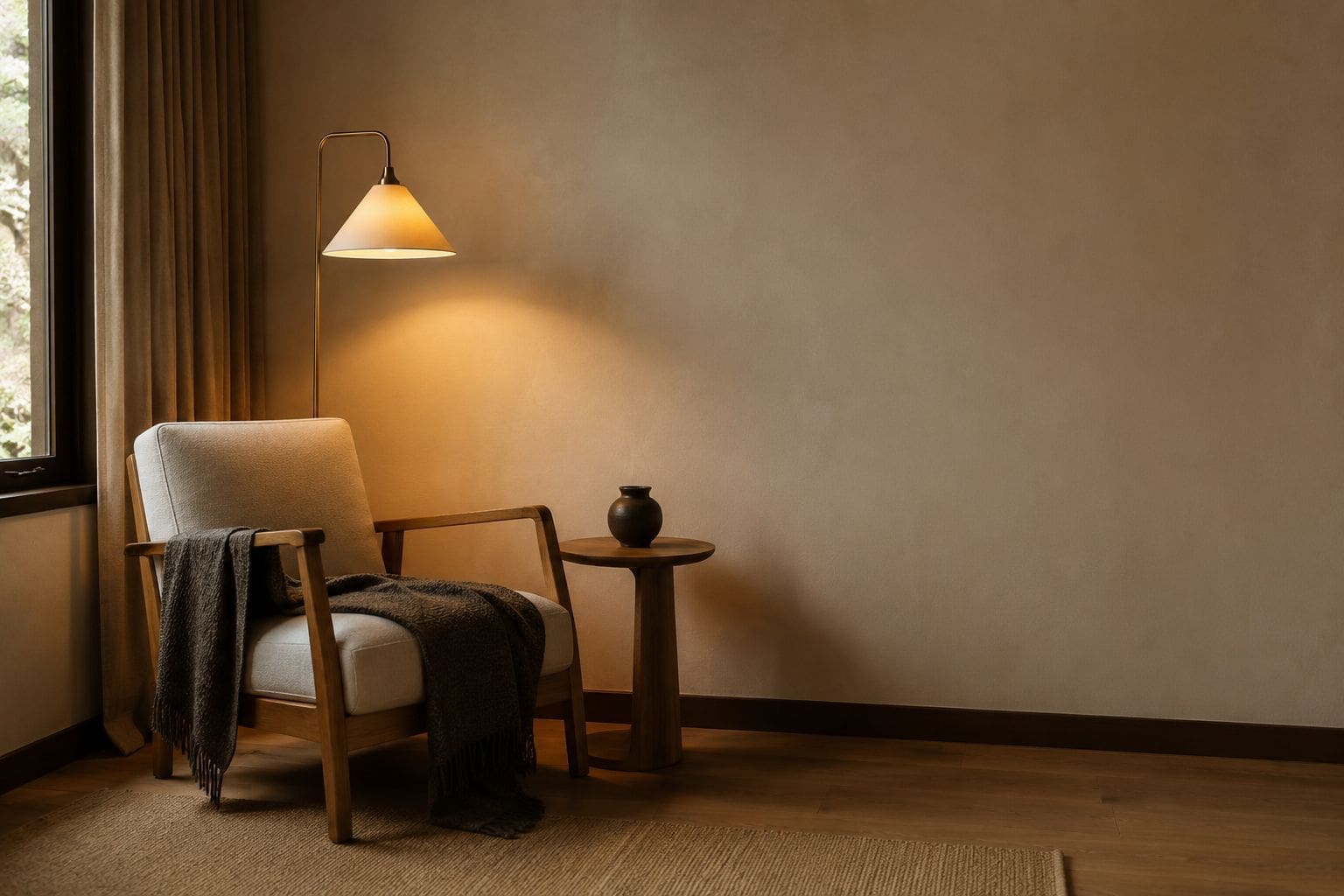
There is a type of expensive room that makes you want to leave. This post covers the sixth and final principle of the Room Design Method and why restraint is what actually finishes a room.
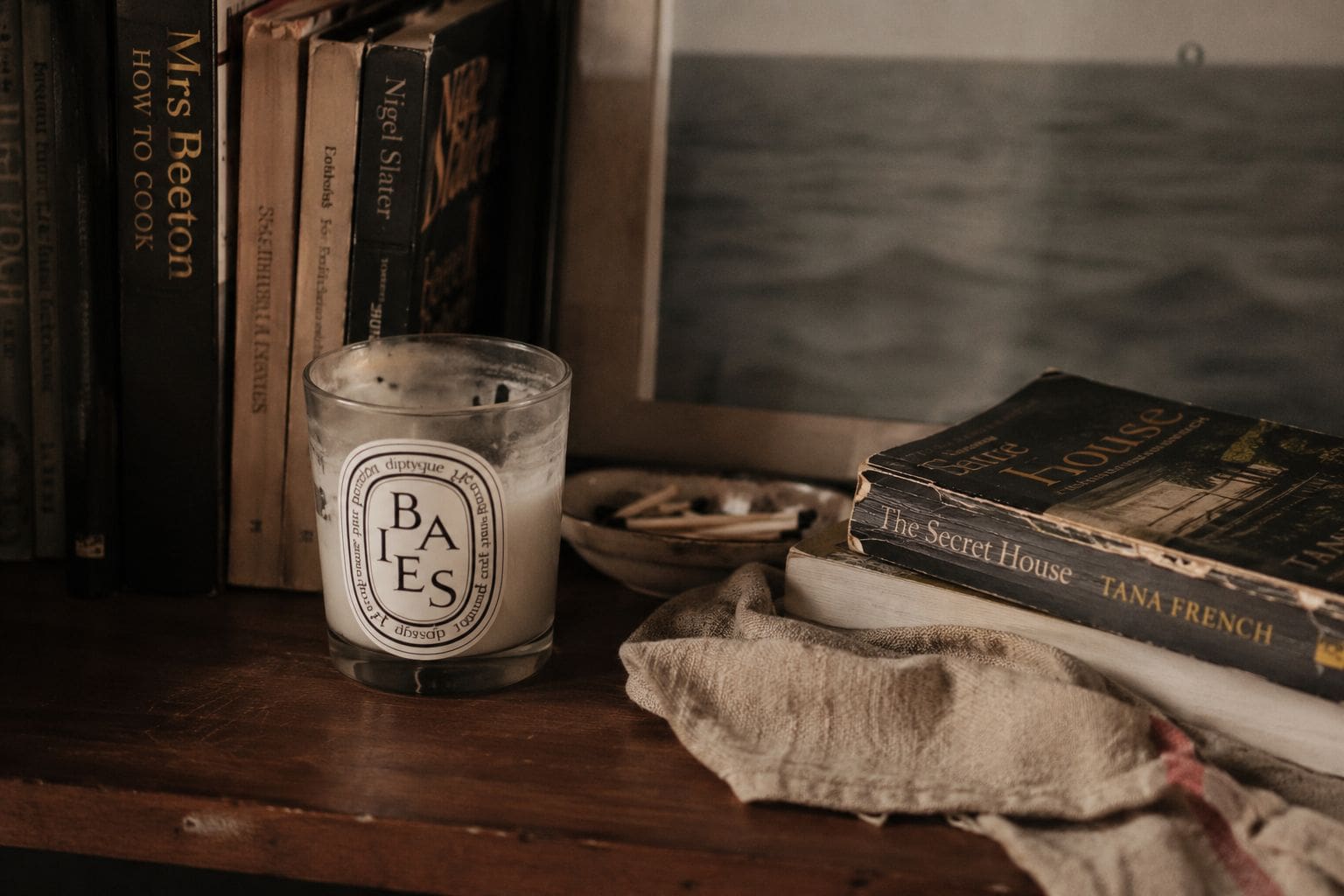
You can tell within thirty seconds whether anyone actually lives in a room. This post covers the fifth principle of the Room Design Method and the difference between a room that’s staged and one that’s genuinely layered.
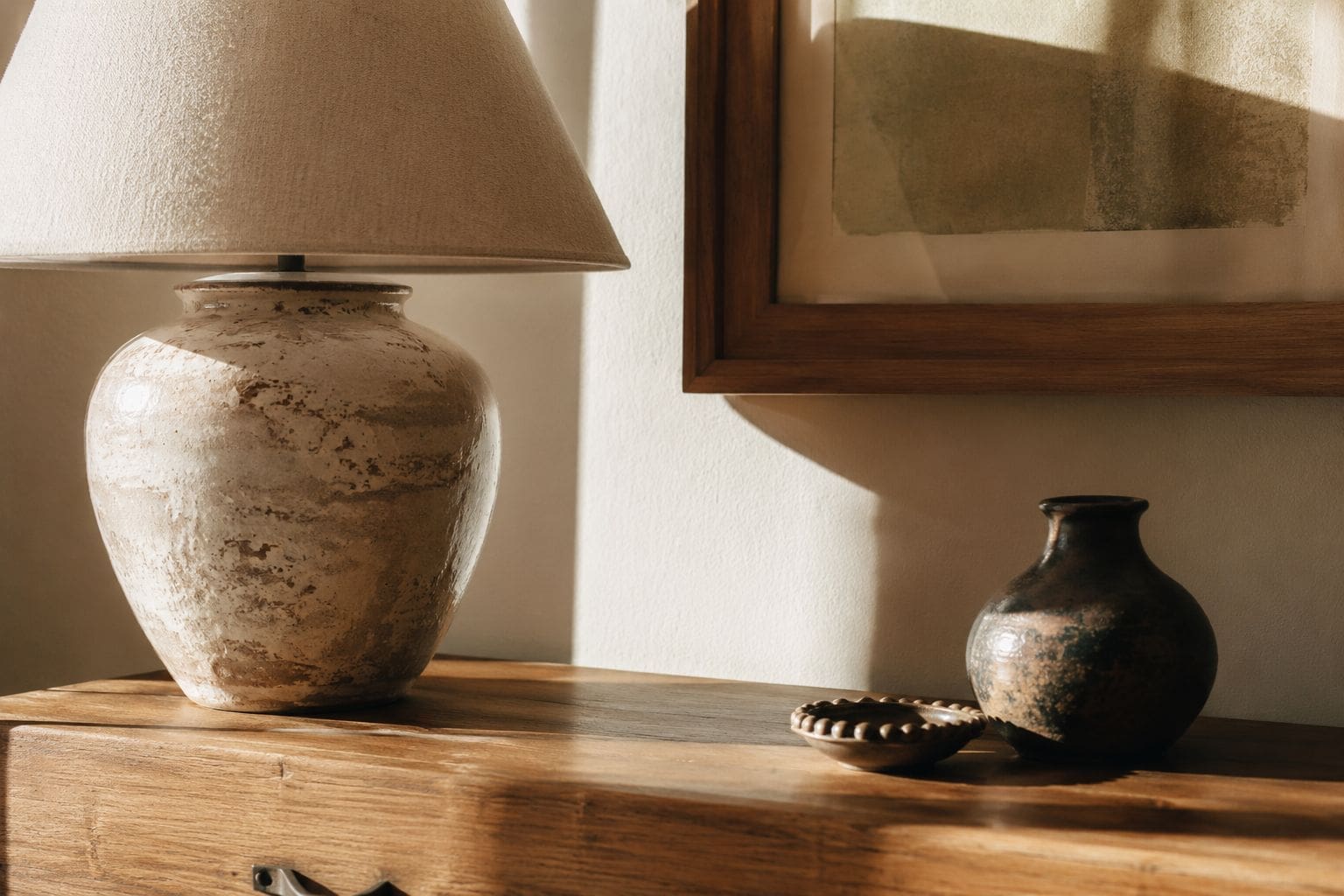
Most rooms feel decorated but never finished because the accents came before the anchors. This post covers the fourth principle of the Room Design Method and how to get the order right.
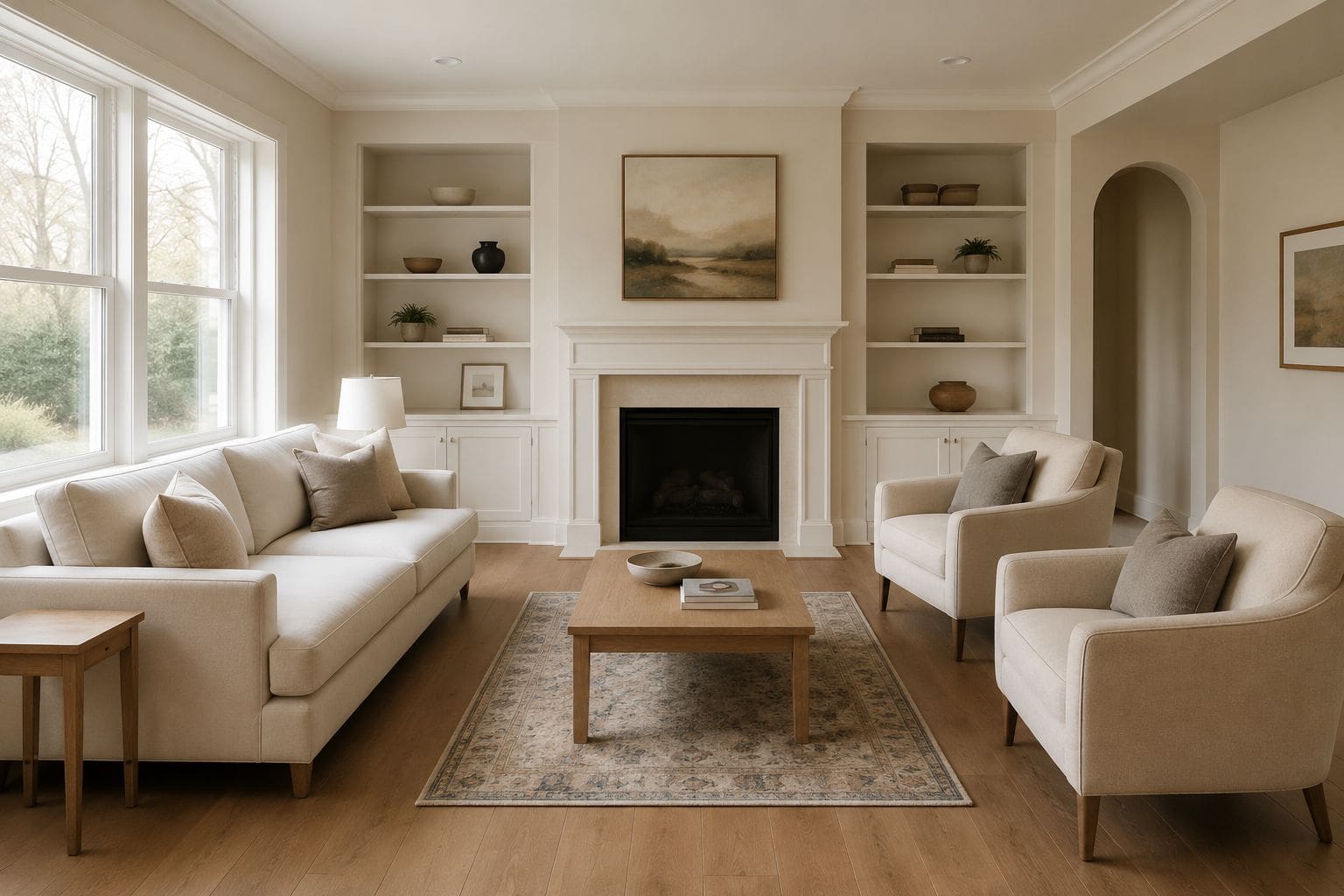
Most rooms that feel off have a proportion problem, not a style problem. This post covers the third principle of the Room Design Method and the sizing decisions that carry the most weight.
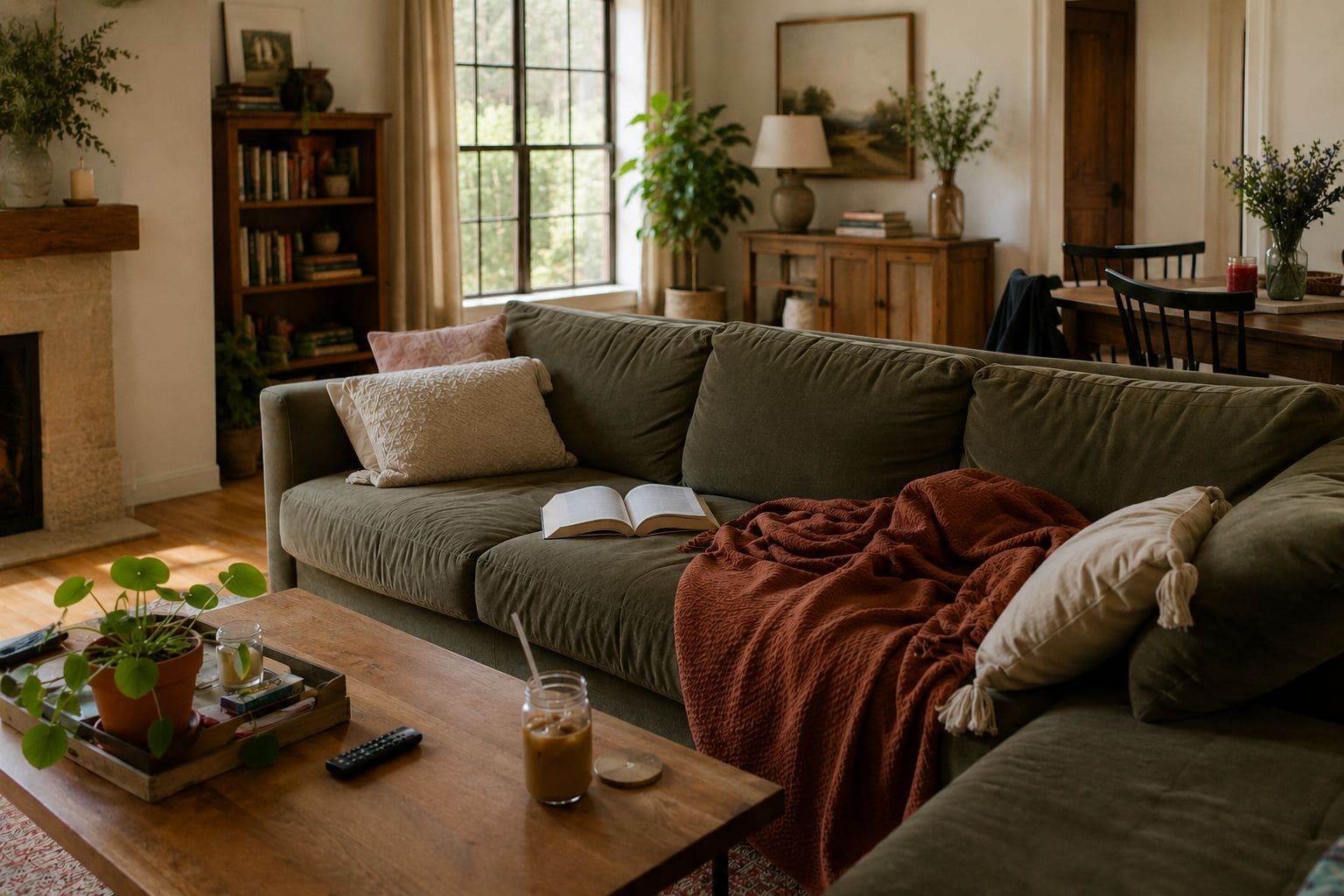
There’s a kind of beautiful room that nobody actually uses. This post covers the second principle of the Room Design Method and the five signs your room got function and form in the wrong order.
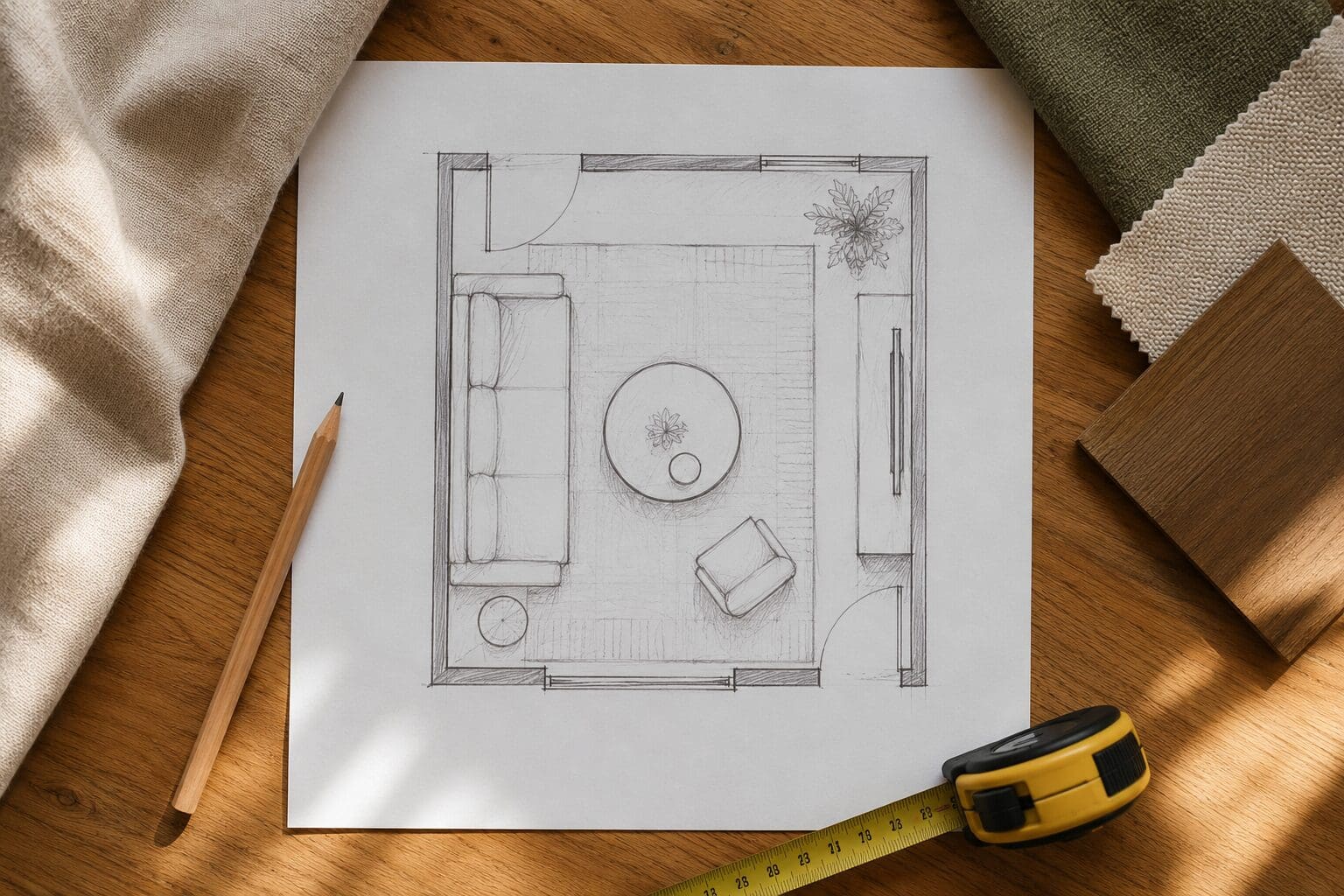
Most unfinished rooms have the inspiration but not the plan. This post covers the first principle of the Room Design Method and the five things a real room plan includes before you buy anything.
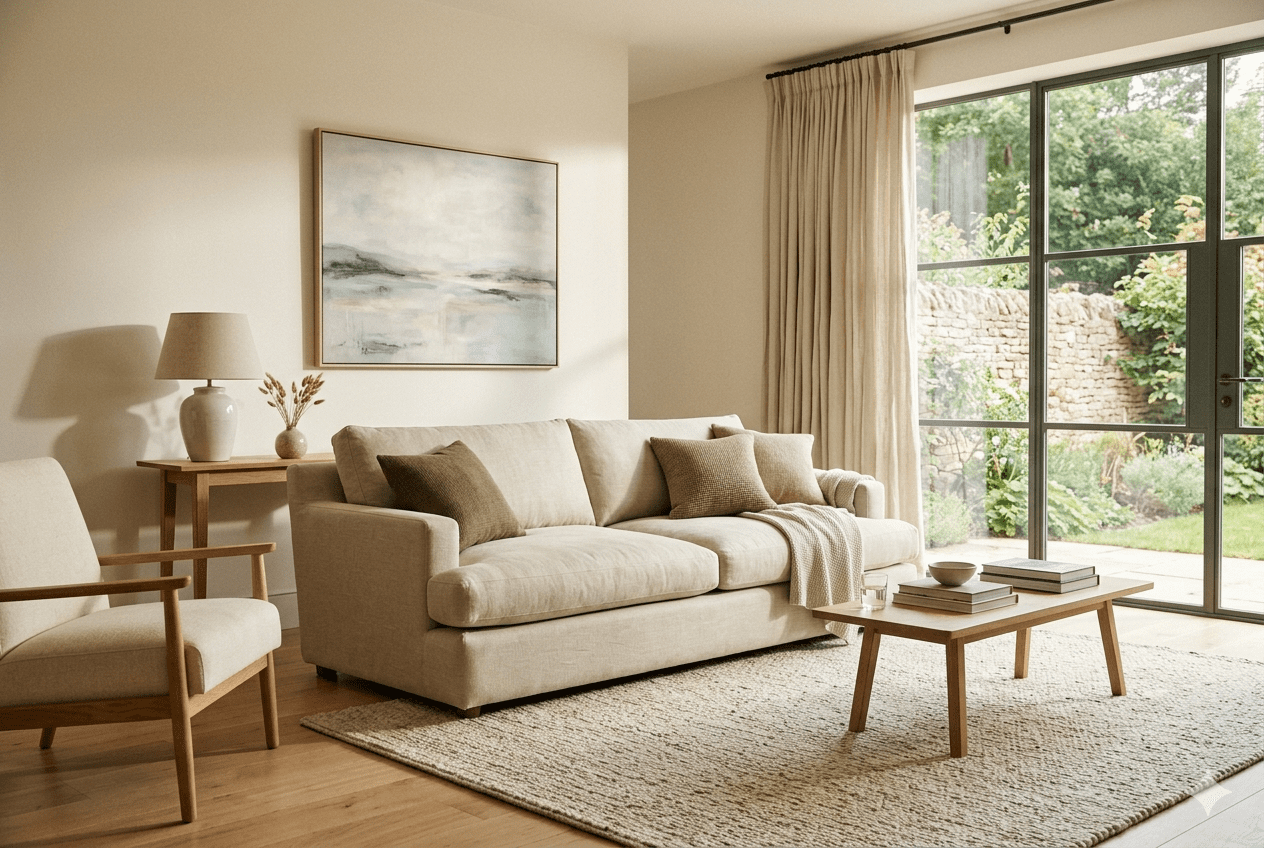
Most unfinished rooms have nothing to do with taste or budget. They have a sequence problem. This post walks through the four reasons a room gets stuck, and how to find the decision you skipped.